


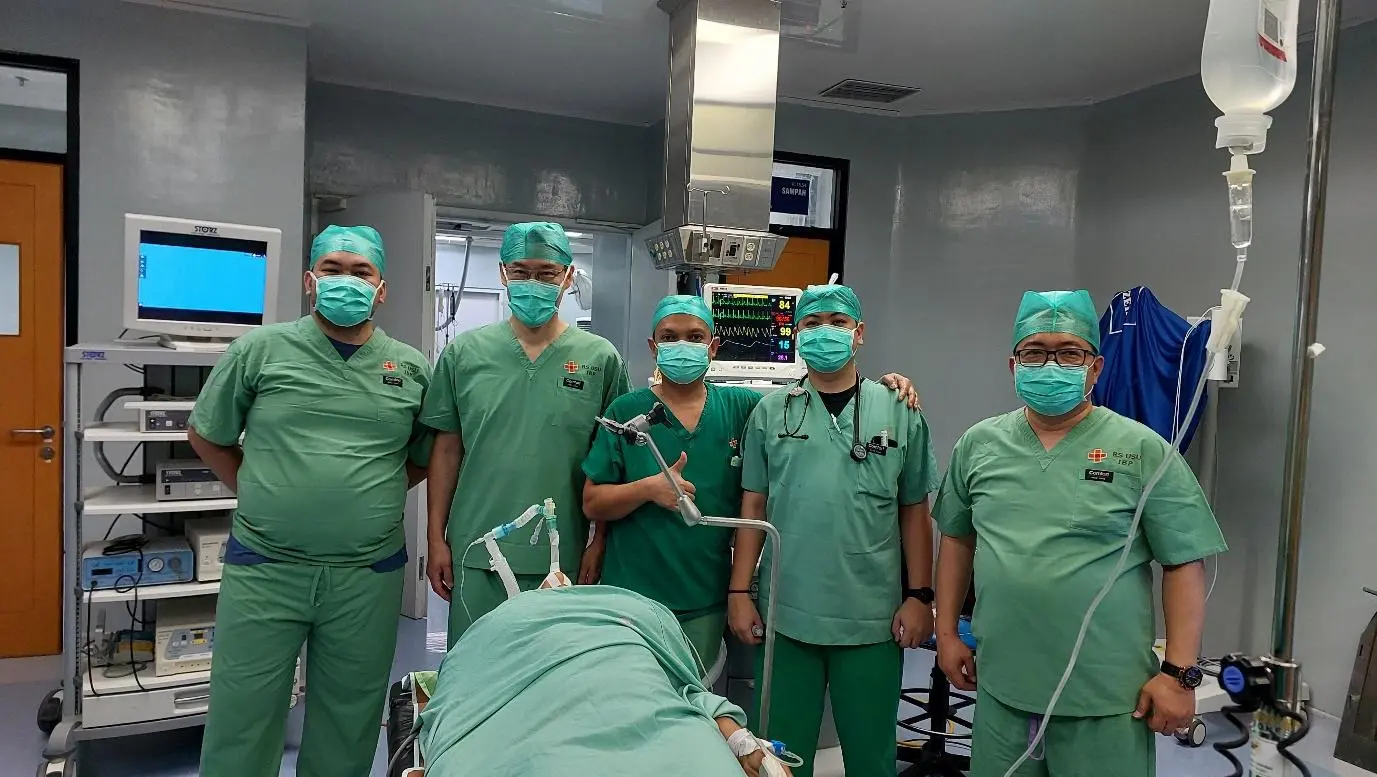


MEDAN: Vocal cord paralysis is a condition that causes loss of control of the muscles that control the voice. This condition occurs when nerve impulses to the voice box, also called the larynx, are disrupted. This results in paralysis of the vocal cord muscles.
This is also the case with two patients at the Ear, Nose, and Throat Clinic of Prof. Dr. Chairuddin P Lubis Hospital of Universitas Sumatera Utara. Based on information from both patients, the doctor has treated them for 6 months to 1 year, so the number of patients the doctor has treated has not reduced.
The paralysis of the vocal cords makes both of them, as conveyed by their families in the hallway of the Integrated Surgical Installation of Prof. Dr CPL USU Hospital, find it difficult to speak and even breathe. The vocal cords, also called vocal folds, do not only function to produce sound. They also protect the respiratory tract. They prevent food, drinks and even saliva from entering the throat, causing a person to choke.
Possible causes of vocal cord paralysis include nerve damage during surgery, viral infections, and certain cancers. Treatment for vocal cord paralysis usually involves surgery and sometimes voice therapy.
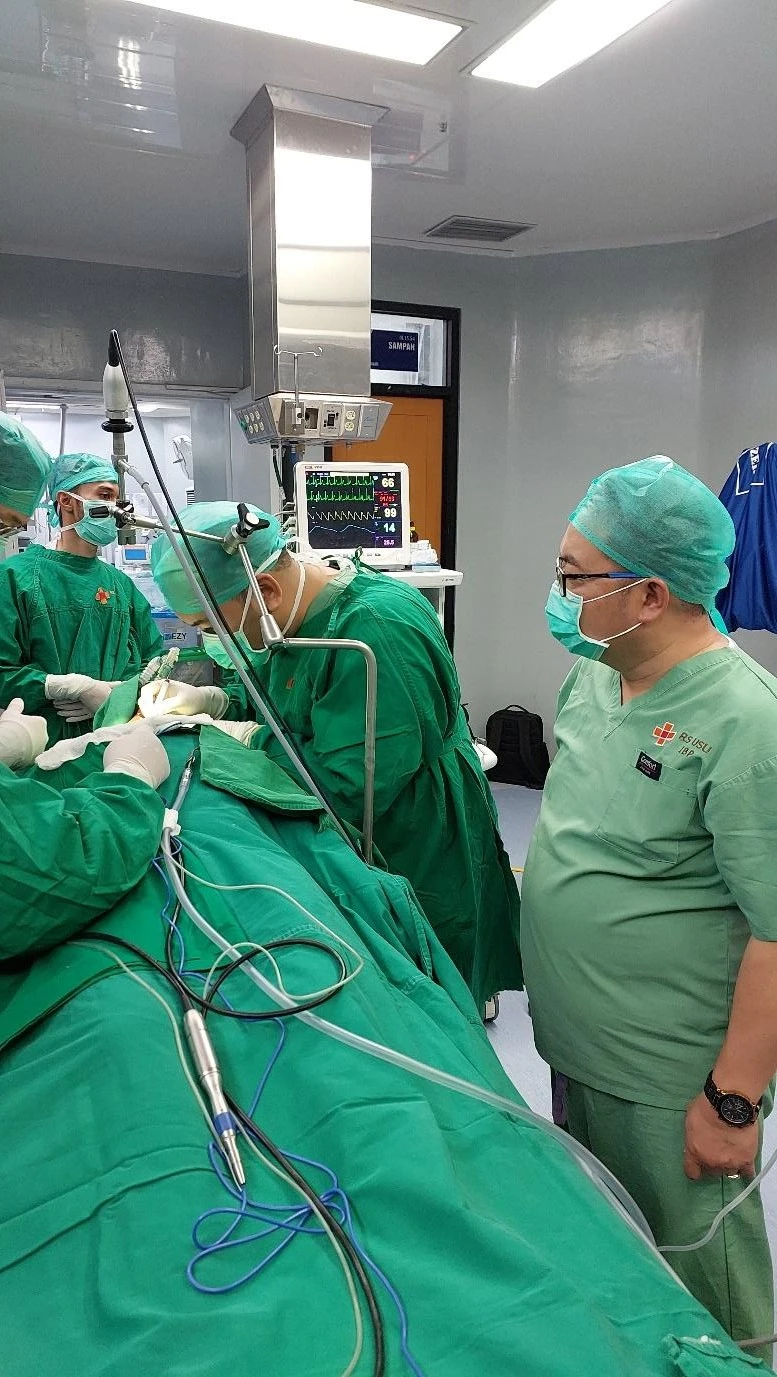
Overcoming this, the team from the USU Prof CPL Hospital ENT Clinic, led by Dr. M. Arfiza P Saragih, SpTHT-KL, and the Anesthesia team, led by Dr. Irfan Hamdani, SpAnTI-FCC, performed surgery with Vocal Cord implants to repair the weakness/paralysis of the vocal cords (Vocal Cord Paralysis).
According to Dr M Arfiza P Saragih, SpTHT-KL, the surgery was the first of its kind in Indonesia and aimed to improve the voice and enable patients to speak like before.
The day before a seminar was held at the USU Hospital Hall last week on vocal cord implants where the speakers were KSM ENT FK USU, dr.M.Arfiza P Saragih, SpTHT-KL, and one of the vocal cord implantation researchers Guan Min Ho, MD, PhD who is a researcher from the Medical School of University of Vienna, Austria.
Vocal cord paralysis usually involves loss of control of only one vocal cord. Paralysis of both vocal cords is a rare but severe condition. It can make speaking difficult and may cause breathing and swallowing difficulties.
The vocal cords are two flexible bands of muscle tissue located at the entrance of the throat, also known as the trachea. When speaking, the bands come together and vibrate to produce sound. At other times, the vocal cords are relaxed and open so that you can breathe.
Symptoms of vocal cord paralysis may include:
A breathless quality to your voice.
- Hoarseness.
- Noisy breathing.
- Shortness of breath.
- Loss of vocal tone.
- Choking or coughing when swallowing food, drink or saliva.
- Need to take several breaths when speaking.
- Inability to speak aloud.
- Loss of gag reflex.
- Ineffective coughing.
- Frequent throat clearing.
When the patient's family admitted that they were pleased and prayed that the surgery's expected results would be good.